
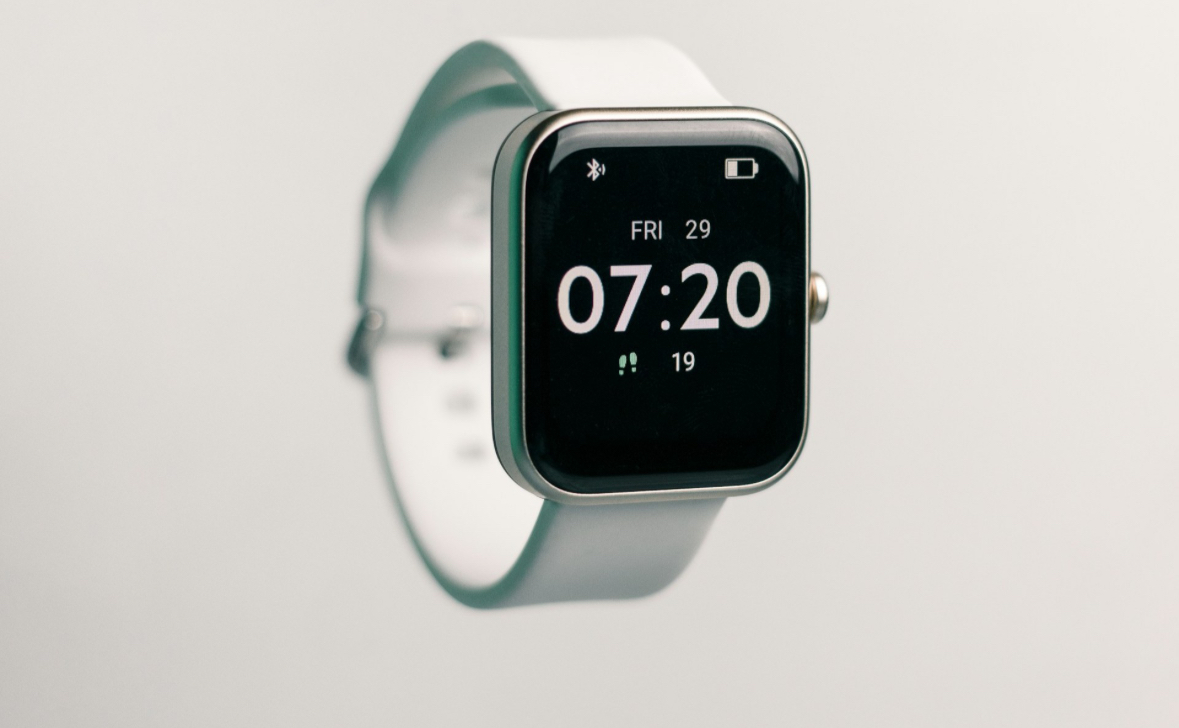
A research team from the Institute of Chemistry of the Chinese Academy of Sciences has developed a new flexible material capable of converting heat into electrical energy, in a step that may pave the way for the operation of wearable devices such as smart watches based on body heat.
Studies indicate that more than 60% of energy globally is lost in the form of waste heat. So scientists are seeking to exploit this untapped source of energy, and the team presented the results of their research in the journal Science, explaining the development of a thermoelectric polymer with an irregular porous structure that can generate electricity from ambient temperature differences, such as the difference between body temperature and the surrounding air.

In order for these materials to work efficiently, they must have a good ability to conduct electricity while at the same time reducing heat transfer. But this equation was technically challenging, especially in flexible plastics.
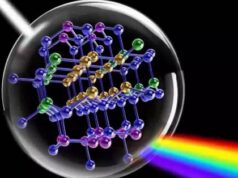
To solve this problem, the researchers mixed the polymer with a special separation material that was later removed, creating a network of micro- and nano-pores.
This sponge-like structure impedes microscopic vibrations responsible for heat transfer within the material, which contributed to reducing heat loss by up to 72%.
At the same time, tight spaces within the porous structure led to the polymer molecules being more tightly and regularly organized, improving the movement of electrical charges within the material by at least 25%.
Thanks to this effective separation between the flow of heat and the flow of electricity, the new material was able to achieve a record efficiency known as the coefficient of thermal electrical performance, as it recorded a value of 1.64 at a temperature of approximately 70 degrees Celsius. This is higher than the previous record of 1.28 for polymers, and even better than some flexible inorganic materials.
In addition, the researchers confirm that this material can be manufactured at a low cost and on a large scale using simple techniques such as spraying, which is similar to newspaper printing, which enhances the chances of its future use in wearable electronic devices.